Air cargo charter
Air cargo charter for urgent and critical freight
When freight cannot wait for space on a scheduled flight, a dedicated aircraft can be chartered around the shipment. Zavora Aviation sources cargo aircraft from third-party operating carriers and coordinates the charter with them, from the first requirement to the flight.
When it makes sense
When cargo charter makes sense
Scheduled air freight shares space on flights that operate to a fixed timetable. It suits most shipments. A dedicated charter is different: the aircraft is chosen for the cargo and flies on your timing, between airports that suit the shipment.
Charter is usually considered when time matters more than anything else, when the cargo is too large or heavy for scheduled options, or when the destination is poorly served.
- Production-line interruption
- A missing part stops a line. A dedicated aircraft can move it on your timing rather than the next available scheduled space.
- AOG (aircraft on ground)
- Parts, engines or tooling needed to return a grounded aircraft to service.
- Automotive
- Parts and components for just-in-time supply chains when a road or scheduled air option will arrive too late.
- Industrial equipment
- Machinery and components for plants, projects and maintenance shutdowns.
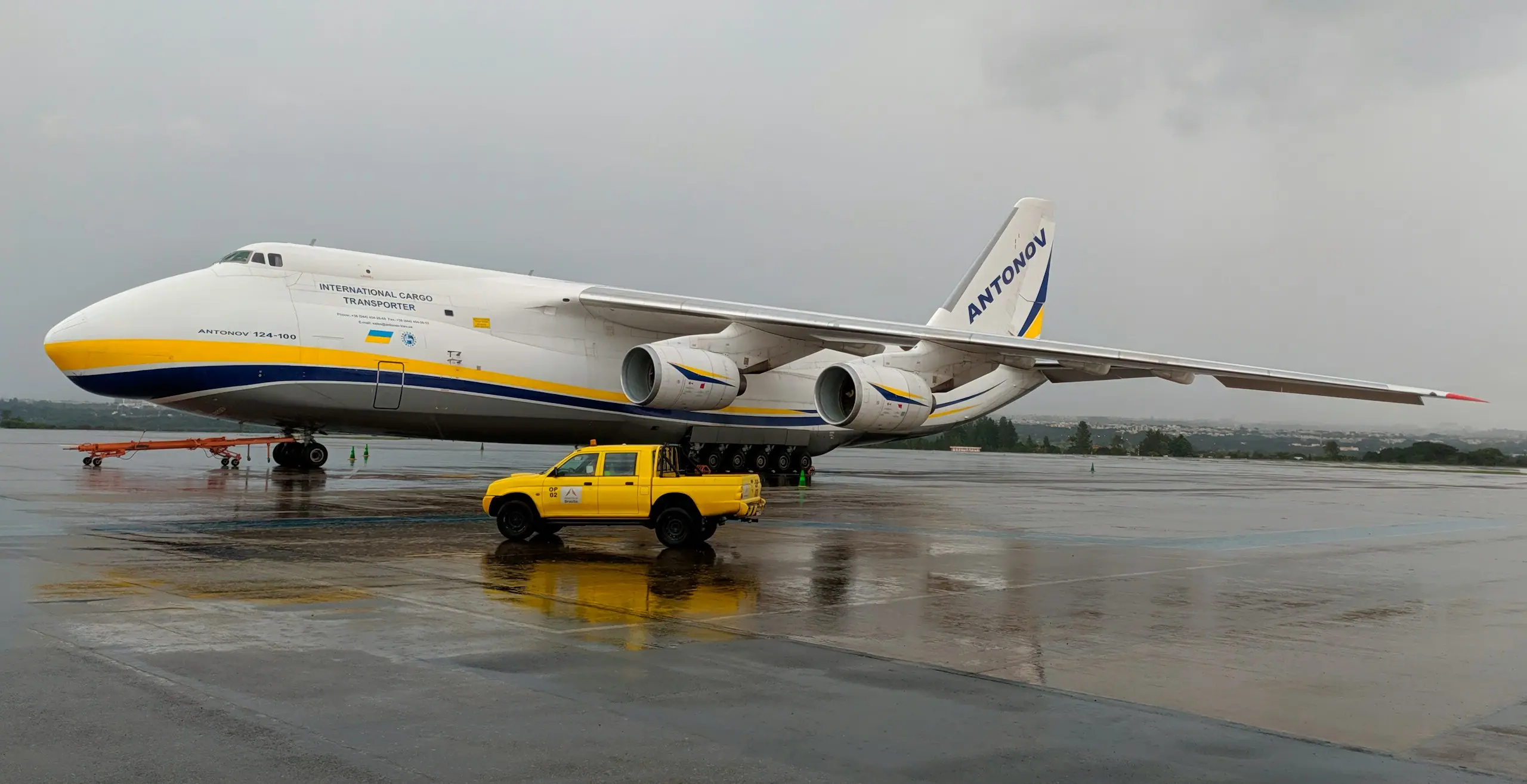
- Heavy and outsized cargo
- Loads too large or heavy for the holds of passenger aircraft or standard freighter positions.
- Remote-site supply
- Freight for locations with limited scheduled air service or seasonal access.
- Mining and resources
- Equipment, spares and supplies for mine sites and resource projects.
- Temperature-sensitive and pharmaceutical
- Shipments with temperature requirements, where the operating carrier’s capability for that shipment is confirmed in advance.
Aircraft
Cargo aircraft categories: representative examples
Cargo aircraft range from small turboprops for urgent parts to large widebody freighters. The aircraft below are representative examples of each category, with their manufacturers’ published figures. They are not aircraft offered or available through Zavora; the aircraft for a shipment is sourced from an operating carrier when the requirement is known.
Aircraft suitability depends on cargo weight, dimensions, density, route and airport.
Representative examples only. These are not aircraft offered or available through Zavora.
- ATR 72-600F
- ClassRegional turboprop freighter
- Published payload9,200 kg maximum structural payload. 7,930 kg maximum volumetric payload
- Other published figures75 m³ gross volume. Main cargo door 2.94 × 1.8 m. 1,030 nm range with maximum volumetric payload
- Boeing 737-800BCF
- ClassNarrowbody converted freighter
- Published payload21.5 t revenue (net). 23.9 t structural (gross)
- Other published figuresConfirmed by the operator for each shipment
- Boeing 767-300F
- ClassMedium widebody freighter
- Published payload52.4 t revenue (net). 56.6 t structural (gross)
- Other published figuresConfirmed by the operator for each shipment
- Boeing 777F
- ClassLarge widebody freighter
- Published payload102.0 t revenue (net). 107.0 t structural (gross)
- Other published figures4,900 nm range with a 102 t payload (Boeing, 2018)
| Aircraft | Class | Published payload | Other published figures |
|---|---|---|---|
| ATR 72-600F | Regional turboprop freighter | 9,200 kg maximum structural payload. 7,930 kg maximum volumetric payload | 75 m³ gross volume. Main cargo door 2.94 × 1.8 m. 1,030 nm range with maximum volumetric payload |
| Boeing 737-800BCF | Narrowbody converted freighter | 21.5 t revenue (net). 23.9 t structural (gross) | Confirmed by the operator for each shipment |
| Boeing 767-300F | Medium widebody freighter | 52.4 t revenue (net). 56.6 t structural (gross) | Confirmed by the operator for each shipment |
| Boeing 777F | Large widebody freighter | 102.0 t revenue (net). 107.0 t structural (gross) | 4,900 nm range with a 102 t payload (Boeing, 2018) |

Dangerous goods
Dangerous goods
Dangerous goods can only travel on a cargo charter when the operating carrier holds the required approval and agrees to accept the specific shipment, and when the shipper has classified, packed, marked, labelled and documented it under the ICAO Technical Instructions and Canada’s Transportation of Dangerous Goods Regulations.
Zavora does not accept, handle or carry dangerous goods itself.
We confirm the operator’s acceptance before any quote is finalised.
If your shipment includes dangerous goods, tell us at the start and include the UN number, class and safety data sheet where available.
Quote checklist
What we need for a cargo quote
The more of this we have at the start, the faster suitable aircraft can be identified and the more accurate the quote. If some details are not known yet, send what you have.
Route and timing
- OriginAddress or airport where the cargo is collected
- DestinationAddress or airport where it must arrive
- Ready date and timeWhen the cargo is packed and available
- Required delivery date and timeThe latest acceptable arrival
The cargo
- CommodityWhat the cargo is, in plain words
- Number of piecesIncluding crates, pallets and loose items
- Dimensions per pieceLength × width × height, with units
- Weight per pieceEspecially for any single heavy item
- Total weightGross weight of the whole shipment
- StackableYes or no, for each piece type
- Temperature requirementsRange and any monitoring needs
Compliance
- Dangerous goods statusWhether any item is classed as dangerous goods
- UN number, class and SDSIf dangerous goods are involved
- Declared valueWhere relevant, for insurance and customs
- Customs statusExport, import or in-bond status, and Incoterms if known
Handling and contact
- Loading equipmentForklift, crane, dock or other equipment at origin and destination
- ContactName, company, phone and email of the person managing the shipment
Process
How a cargo charter is coordinated
- 01
Requirement
You send the cargo details, timing and route, ideally using the checklist above. - 02
Aircraft sourcing
We identify operating carriers with aircraft that suit the weight, size, route and airports. - 03
Operator acceptance
The operator confirms it can accept the shipment, including any dangerous goods or special handling. - 04
Charter confirmation
You review the option and terms. Once accepted, the charter agreement is put in place. - 05
Flight coordination
The operating carrier flies the shipment. We coordinate with the operator and your forwarder through to the flight.
Who does what
Forwarder, broker and carrier
Three different roles are often involved in a cargo charter.
A freight forwarder manages the wider movement of freight: collection, documentation, warehousing, onward transport and, often through a licensed customs broker, customs clearance.
A charter broker, such as Zavora Aviation, sources and coordinates the aircraft. We find operating carriers with suitable aircraft, compare options and coordinate the charter.
The operating carrier flies the aircraft. It holds the authority to operate the flight and is responsible for its operation and safety.
Zavora Aviation is not a freight forwarder or customs broker. Where customs clearance or ground transport is needed, we work alongside your forwarder or customs broker. If you have a general question rather than a specific shipment, contact us.
FAQ
Cargo charter questions
How much does cargo aircraft charter cost?
It depends on the aircraft needed for the weight, volume and dimensions, the distance, where suitable aircraft are positioned, the airports and their handling, and any special requirements such as dangerous goods or temperature control. Because those factors change from one shipment to the next, each cargo charter is quoted individually. The quote checklist above lists what we need.
What information is needed for a quote?
Origin and destination, ready and required-delivery times, the commodity, number of pieces, dimensions and weight per piece, total weight, whether it can be stacked, temperature needs, dangerous goods status, declared value where relevant, customs status, loading equipment and a contact. The printable checklist sets this out.
What is full charter vs part charter?
A full charter books the whole aircraft for your shipment, so the aircraft, timing and route are set around your cargo. A part charter shares an aircraft’s capacity with other shipments on the same flight. Whether a part charter is available depends on the route and on other cargo being moved at the same time.
Can dangerous goods be chartered?
Only when the operating carrier holds the required approval and agrees to accept the specific shipment, and when the shipper has classified, packed, marked, labelled and documented it under the ICAO Technical Instructions and Canada’s Transportation of Dangerous Goods Regulations. Zavora does not accept, handle or carry dangerous goods itself. We confirm the operator’s acceptance before any quote is finalised.
How quickly can an aircraft be arranged?
It depends on where suitable aircraft and crews are, the airports involved, permits for international flights and how quickly the cargo is ready. Some requirements can be arranged at short notice and others take longer. We do not promise fixed response or arrangement times; for anything urgent, call +1 437-774-5305 as well as sending the request.
Can oversized cargo be moved?
Often, yes, but the dimensions decide which aircraft can take it. Door size, cabin height and floor loading all limit what fits, so send the dimensions and weight of each piece and the operator confirms whether the load fits the aircraft proposed.
Does Zavora handle customs?
No. Zavora Aviation is not a customs broker or freight forwarder. Customs clearance is handled by a licensed customs broker, often through your freight forwarder. We coordinate the aircraft and work alongside them.
Request cargo aircraft
Send the cargo requirement. Optional details help us identify suitable aircraft faster.